"From a small workshop in Milwaukee to the roar of freedom around the world"
A Modest Beginning: The Milwaukee Shed (1903)
At the height of America's industrial boom, two young men passionate about mechanics, William S. Harley and Arthur Davidson, dreamed of a vehicle that offered speed without effort. In 1903, in a small wooden shed in the Davidson family's backyard, the legend began to take shape.
Harley had designed an internal combustion engine to fit onto a bicycle, but this was no simple accessory: the goal was to create a real motorcycle, powerful, reliable and capable of covering long distances.
Walter and William A. Davidson joined the project, and together they founded what would soon become Harley-Davidson Motor Company.
First Prototype: More Than an Experiment
The first prototype, though rudimentary, was a clear display of vision and ingenuity. It had a single-cylinder engine of barely 3 horsepower and reinforced bicycle wheels. It wasn't ideal for climbing hills, but it planted the seed of a revolutionary idea.
After months of adjustments, in 1905 they sold their first working unit, officially opening their doors to the public.
The Company Takes Shape: Harley-Davidson Motor Company
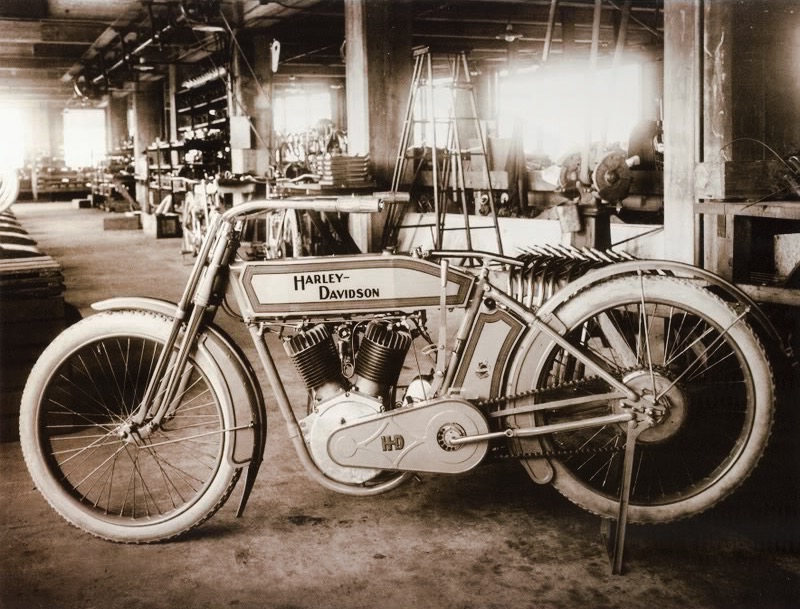
In 1907, the company was formally established with a larger factory and steady production. It was no longer a project between friends, but a serious business with a clear vision: to build the best motorcycles in the world.
That same year they manufactured 150 units. A few years later, they were already surpassing 16,000 motorcycles a year, becoming the largest motorcycle manufacturer in the United States.
Harley and the Army: A Legendary Alliance
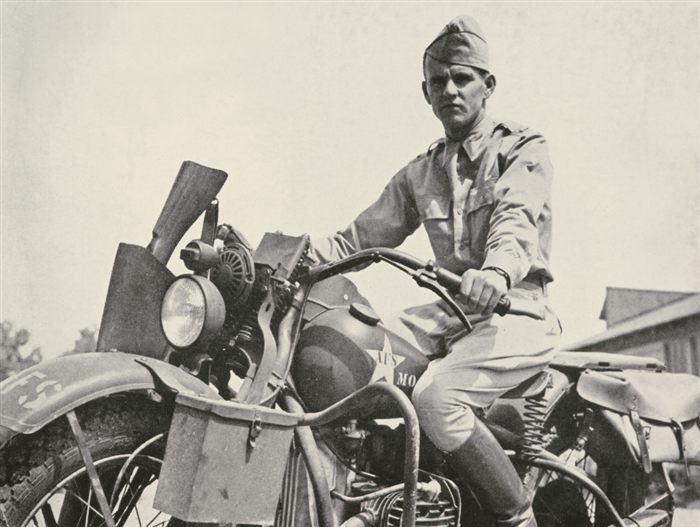
World War I (1914–1918) was a turning point. Harley-Davidson became a supplier to the US Army, sending more than 20,000 motorcycles to Europe. The bikes proved their reliability on the battlefield, and soldiers came home as genuine ambassadors for the brand.
During World War II, Harley built more than 90,000 units of the WLA model, adapted for military use, further cementing its bond with patriotism and the war effort.
Harley Culture: More Than Motorcycles
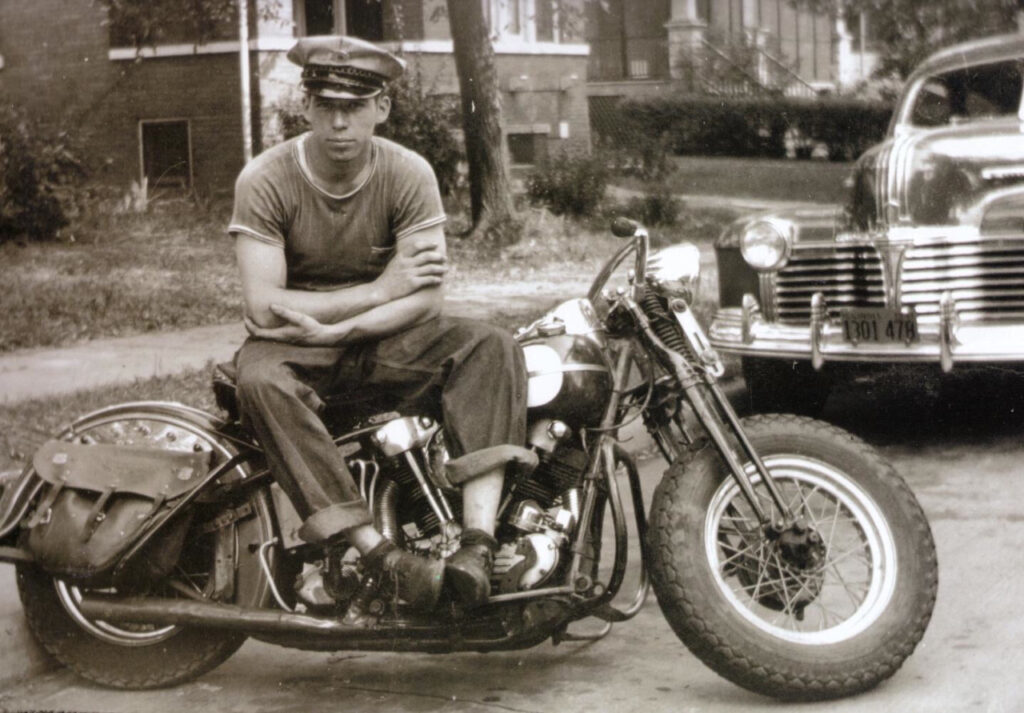
During the 50s and 60s, riding the wave of cinema and rock and roll, Harley-Davidson went from being a motorcycle brand to a cultural symbol. Films like Easy Rider and the figure of the leather-jacketed "rebel biker" cemented its iconic status.
It was never just about riding a motorcycle: it was a way of life. The open road, brotherhood among riders and individual freedom became part of its DNA.
Falls and Resurrections
Harley-Davidson has not been without its struggles. In the 70s, it suffered against Japanese competition (Honda, Yamaha, Kawasaki), which offered cheaper, more technologically advanced motorcycles. The brand even came close to bankruptcy in the 80s.
However, a recovery plan led by its own internal team and a renewed focus on the brand's emotional value allowed it to rise again with force. They focused on bigger, more customizable, character-filled models.
Innovation Without Losing Its Spirit
In recent years, Harley has surprised the world with models such as:
- LiveWire: its first 100% electric motorcycle, with brutal acceleration and zero emissions.
- Pan America: an adventure bike built for off-road riding, competing on terrain once dominated by BMW or KTM.
- New Sportster: bringing back classic spirit with modern technology.
Harley-Davidson Today: A Global Community
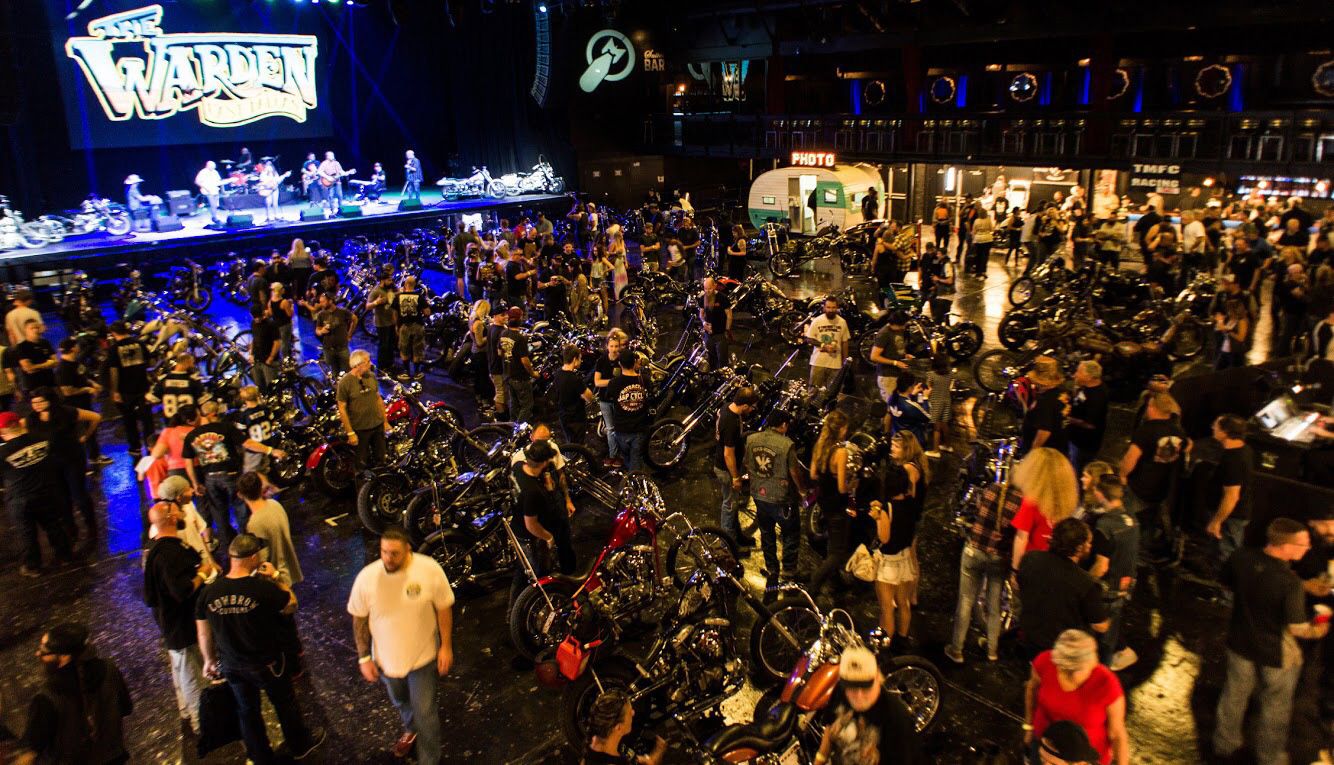
Today, Harley-Davidson is more than a factory. It's a global community of motorcyclists united by a shared feeling. Official clubs like the Harley Owners Group (H.O.G.) bring together thousands of members around the world, organizing rides, events and get-togethers.
What's more, its official dealers offer more than just sales: they're gathering places, trusted workshops and centers of biker culture.
Conclusion: From Shed to Legend
More than a century later, Harley-Davidson is not only still standing — it leads a culture. Born in a wooden shed and forged through passion, engineering and a free spirit, Harley is today an immortal symbol of the open road, of the American soul, and of the eternal desire for freedom.